Growing vegetables at home can be one of the most rewarding parts of gardening. I enjoy the process of watching small plants develop into healthy vegetables that I can eventually harvest for my kitchen. However, I have also learned that growing vegetables is only one part of the job. Keeping the harvest fresh and using it before it spoils is equally important.
Vegetable waste can happen for many simple reasons. Sometimes vegetables are stored at the wrong temperature. Sometimes they are washed too early, kept in too much moisture, or simply forgotten in the refrigerator. With a few practical habits, I believe it is possible to keep vegetables fresh for longer while reducing unnecessary waste.
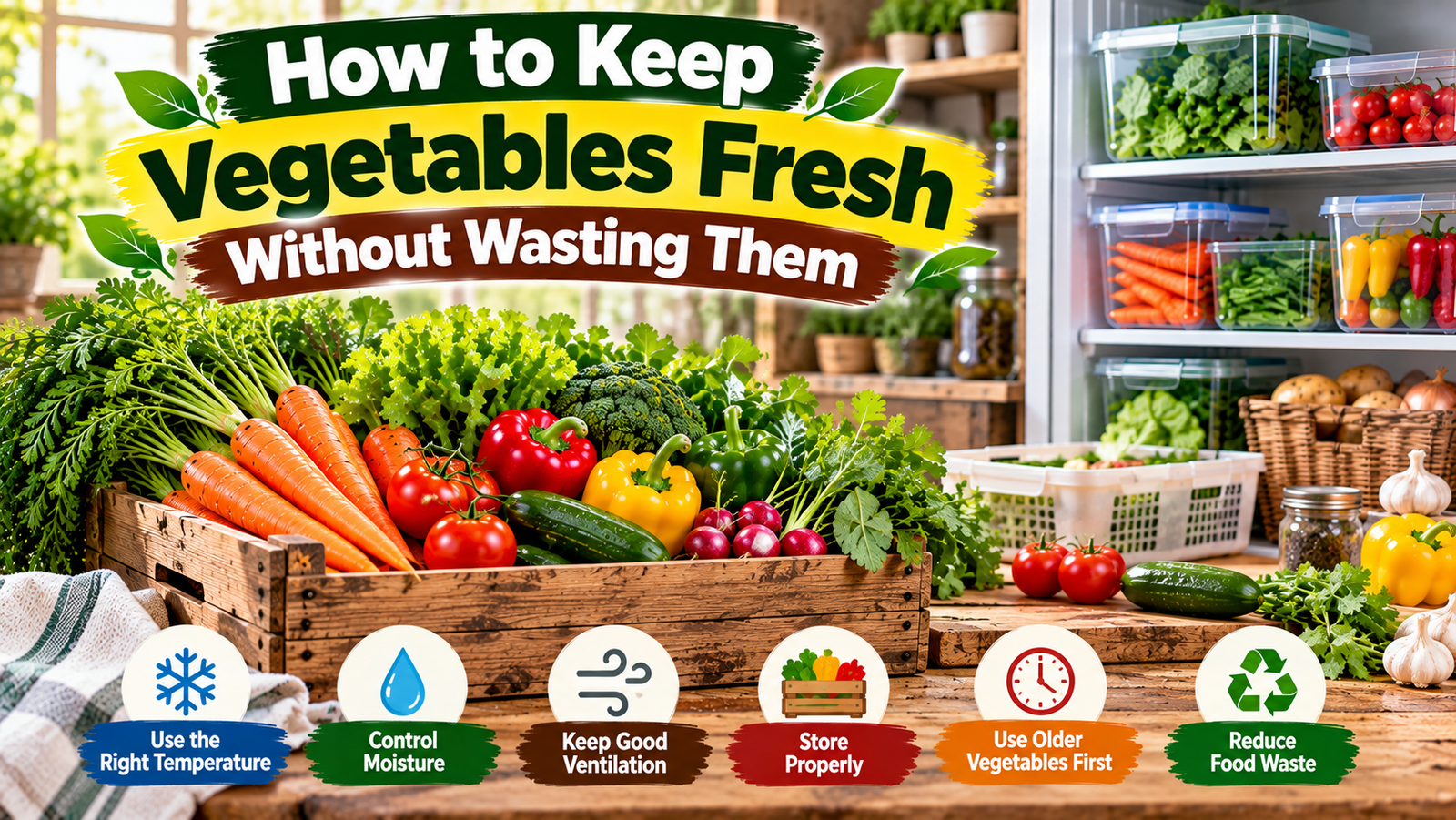
In this guide, I will share the methods I find useful for keeping vegetables fresh without wasting them.
Harvest Only What You Need
One of the easiest ways to reduce vegetable waste starts in the garden.
When I know that I will not be able to use a large amount of produce at once, I prefer harvesting only what I need. This is especially useful for vegetables that do not have a very long storage life.
Leafy greens, cucumbers, tomatoes, and other tender vegetables can lose quality relatively quickly. Instead of harvesting everything at once, picking smaller amounts regularly can help keep the vegetables fresh.
Of course, some vegetables are best harvested in larger quantities when they reach maturity. In those cases, proper storage becomes more important.
Harvest Vegetables Carefully
The way vegetables are harvested can affect how long they remain fresh.
I try to avoid dropping vegetables into baskets or placing heavy produce on delicate vegetables. Cuts, bruises, and damaged areas can shorten storage life.
For vegetables that need to be cut from the plant, I prefer using clean and sharp gardening scissors or a knife.
I also like harvesting during cooler parts of the day when possible. This can help reduce the amount of heat the vegetables are exposed to immediately after harvest.
Sort the Harvest Before Storage
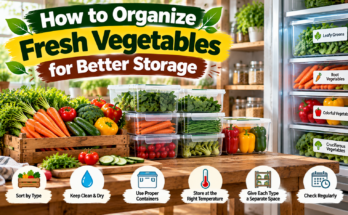
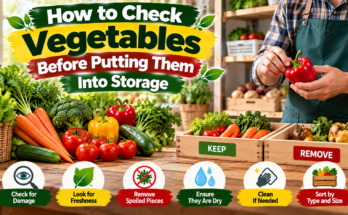
Once I bring vegetables indoors, I like to sort them before storing them.
I separate healthy vegetables from those with bruises, cracks, insect damage, or soft spots.
Vegetables that are already slightly damaged should usually be used first if they are still safe to eat. Healthy vegetables can then be stored for later.
Sorting also makes it easier to organize vegetables according to their storage requirements.
Do Not Wash Everything Immediately
Washing vegetables is important, but washing every vegetable immediately after harvesting can sometimes shorten storage life.
Excess water can remain on the surface of vegetables and create a damp environment inside storage containers.
For vegetables that will be stored for several days, I often remove loose dirt gently and wash them closer to the time I plan to use them.
If I do wash vegetables before storage, I make sure they are properly dried first.
Store Each Vegetable Correctly
There is no single storage method that works for every vegetable.
Leafy greens usually benefit from cool storage and careful moisture control. Carrots and other root vegetables may also do well in refrigeration.
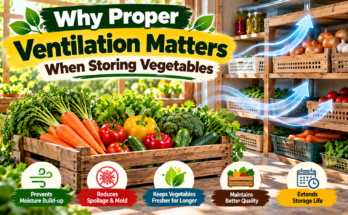
Potatoes, onions, and garlic generally prefer a cool, dark, dry, and well ventilated area.
Tomatoes can often be kept at room temperature when they are ripe and ready to eat.
Understanding these differences can help prevent unnecessary spoilage.
Control Moisture
Moisture is one of the biggest factors affecting vegetable freshness.
Too much moisture can encourage mold and decay, while too little moisture can cause vegetables to become limp and dry.
For leafy vegetables, I find that a clean paper towel inside a suitable container can help absorb excess moisture.
For onions, garlic, and potatoes, I prefer dry storage with good airflow.
The right balance depends on the vegetable.
Use the Refrigerator Wisely
The refrigerator can help extend the freshness of many vegetables, but I avoid putting everything inside it without thinking about storage requirements.
I keep vegetables organized and avoid overcrowding the refrigerator.
When too many vegetables are packed into a small area, airflow can become limited and moisture may build up.
I also check the refrigerator regularly for vegetables that need to be used soon.
Keep Older Vegetables in Front
One simple method I use to reduce waste is keeping older vegetables where I can easily see them.
When newer produce is placed in front of older produce, it is easy to forget about vegetables that were harvested earlier.
I prefer using the oldest vegetables first.
This simple habit is sometimes called using older stock before newer stock, and it can make a noticeable difference when managing a large harvest.
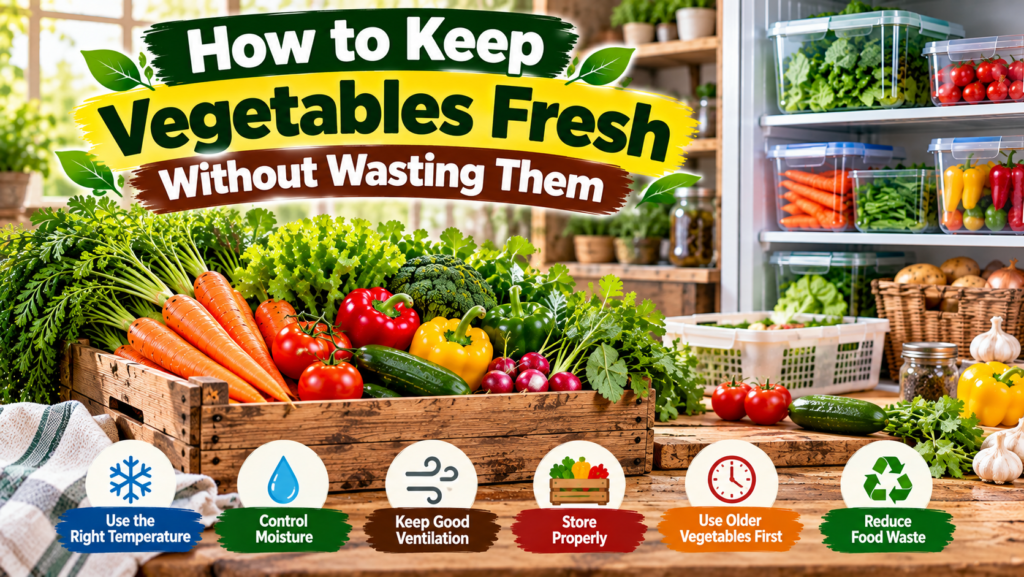
Check Vegetables Regularly
I recommend checking stored vegetables every few days.
Look for soft spots, mold, unusual smells, discoloration, or excess moisture.
If a vegetable is beginning to lose quality but is still suitable for eating, I move it toward the front so that I remember to use it soon.
If something has clearly spoiled, I remove it from the storage area immediately.
Regular checking can prevent one spoiled vegetable from affecting nearby produce.
Use Vegetables Before They Become Overripe
Another useful habit is paying attention to ripeness.
Some vegetables can remain fresh for a reasonable amount of time, while others need to be used soon after reaching their ideal stage.
Tomatoes are a good example. If several tomatoes are becoming ripe at the same time, I try to plan meals around them instead of allowing them to sit unused.
The same approach can work for other vegetables that have a short window of peak freshness.
Plan Meals Around Your Harvest
Meal planning is one of the simplest ways to reduce food waste.
When I have a large amount of vegetables from the garden, I think about meals that can use several types of produce.
Fresh vegetables can be added to salads, soups, curries, stir fried dishes, sauces, and many other meals.
Planning meals around what needs to be used first can help prevent vegetables from being forgotten.
Preserve Extra Vegetables
Sometimes a garden produces more vegetables than a family can eat fresh.
Instead of allowing the extra harvest to spoil, preservation can be a useful option.
Depending on the vegetable, suitable preservation methods may include freezing, drying, pickling, or other food preservation techniques.
Some vegetables require specific preparation before freezing or preserving, so I always recommend following reliable food safety guidance.
Proper preservation can turn an excess harvest into food that can be enjoyed later.
Share Extra Vegetables
If I have more vegetables than I can reasonably use or preserve, sharing them is another great option.
Fresh garden vegetables can be given to family members, friends, neighbors, or others who can use them.
This is much better than allowing perfectly good produce to spoil.
Sharing also makes a productive garden more enjoyable because the harvest can benefit more people.
Avoid Buying More Than You Need
Food waste can also happen when homegrown vegetables are mixed with vegetables purchased from a store.
If I already have a large harvest at home, I try to use it before buying more of the same vegetables.
Checking the refrigerator and storage area before shopping can help prevent unnecessary purchases.
This habit can save money as well as reduce food waste.
Use Vegetables That Are Losing Freshness
Not every vegetable needs to be thrown away just because it is no longer at peak freshness.
For example, slightly soft vegetables may still be suitable for cooked dishes if they are otherwise safe to eat.
Vegetables that are losing their crispness can sometimes work well in soups, sauces, stews, or cooked meals.
However, vegetables with visible mold, strong unpleasant smells, or clear signs of spoilage should not be used.
Knowing the difference between reduced freshness and actual spoilage is important.
Keep Storage Areas Clean
Clean storage areas can help reduce unnecessary vegetable waste.
I regularly check shelves, containers, baskets, and refrigerator drawers for old vegetable pieces or moisture.
If something has leaked or spoiled, I clean the area before placing fresh produce there.
A clean storage environment makes it easier to protect the rest of the harvest.
Avoid Overcrowding
It is easy to collect a large harvest and put everything into one container.
However, overcrowding can cause vegetables to press against each other and reduce airflow.
I prefer separating vegetables into smaller groups when necessary.
This also makes it easier to inspect the produce and find what I need without disturbing everything else.
Learn From Each Harvest
Every growing season can teach something new about vegetable storage.
If I notice that a particular vegetable spoils quickly, I think about what may have caused it. Perhaps it was harvested too late, stored while wet, or kept at the wrong temperature.
By paying attention to these patterns, I can improve how I handle the next harvest.
Final Thoughts
Keeping vegetables fresh without wasting them is mostly about good habits. From my point of view, the most important steps are harvesting carefully, sorting produce, controlling moisture, using the right storage conditions, and checking vegetables regularly.
I also believe that planning meals around the harvest can make a big difference. Instead of waiting until vegetables are almost spoiled, I try to use older produce first and preserve or share anything that I cannot use.
Every vegetable grown in a home garden represents time, effort, water, soil, and care. Protecting that harvest after picking is therefore an important part of gardening.
With simple storage practices and a little planning, it is possible to keep homegrown vegetables fresh for longer, reduce food waste, and enjoy more of the produce that your garden has worked hard to provide.