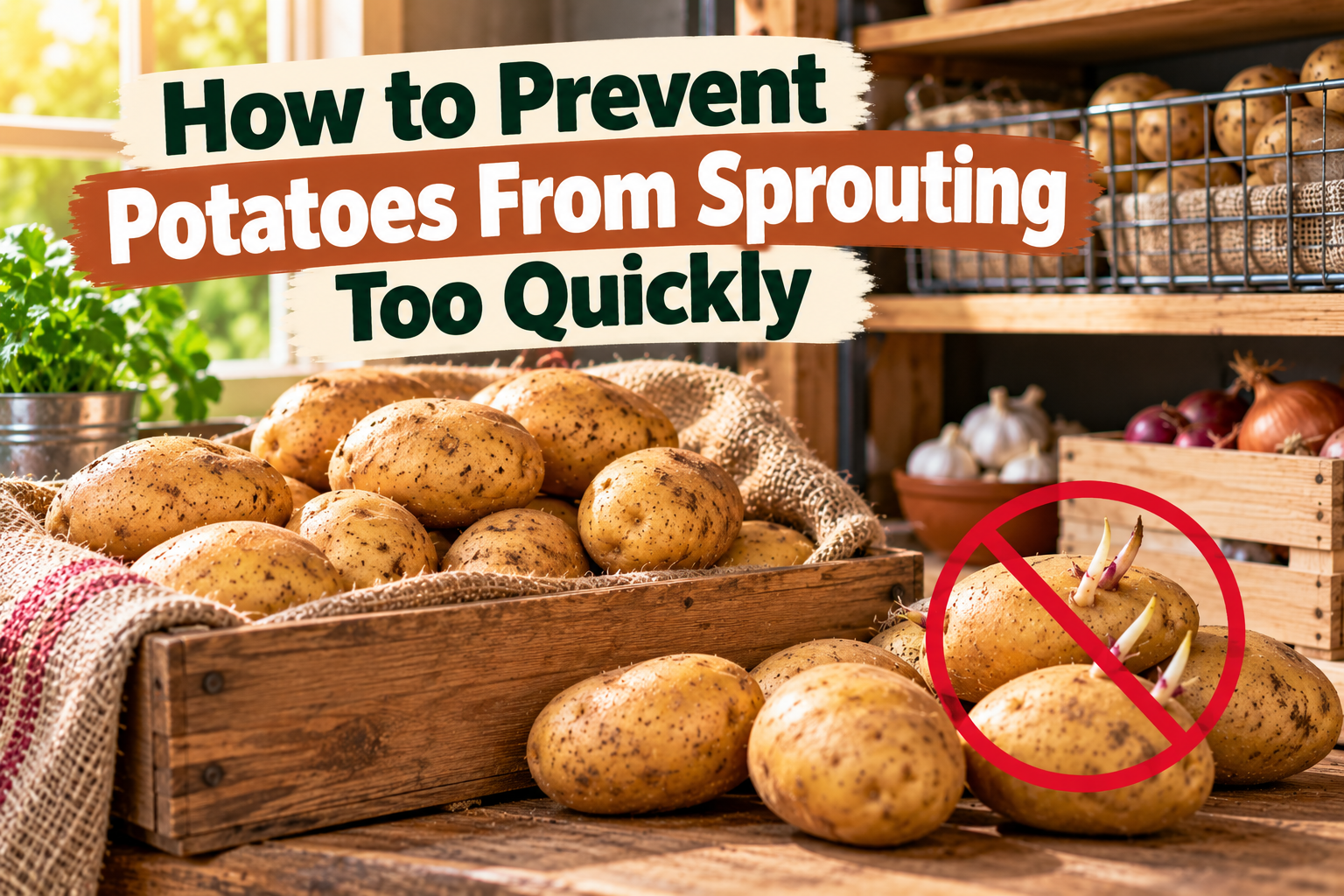
Potatoes are one of the easiest vegetables to store at home, but sprouting can become a frustrating problem. When I have a good potato harvest, I want to keep the potatoes firm and usable for as long as possible. This is why understanding how to prevent potatoes from sprouting too quickly is important.
Potatoes naturally begin to sprout as they age. However, the storage environment can greatly influence how quickly this happens.
Temperature, light, moisture, ventilation, and the condition of the potatoes all matter.
Harvest Mature Potatoes
One of the first ways to reduce early sprouting is harvesting mature potatoes.
When potatoes have mature skins, they generally handle storage better than very young potatoes.
For potatoes intended for longer storage, I prefer allowing the plant to mature naturally before harvesting.
I also avoid rough handling because bruised or damaged potatoes tend to have a shorter storage life.
Cure Potatoes Before Storage
Freshly harvested potatoes should be allowed to cure before long term storage.
During curing, the skin becomes stronger and minor surface damage can heal.
I place the potatoes in a dark, dry, and well ventilated area for a suitable curing period.
I avoid direct sunlight because exposure to light can cause potatoes to turn green.
Keep Potatoes Cool
Temperature is one of the biggest factors affecting potato sprouting.
Potatoes stored in a warm kitchen are likely to sprout faster than potatoes kept in a suitably cool storage area.
I therefore look for the coolest appropriate area of the home that is protected from freezing temperatures.
The storage temperature should remain relatively stable rather than changing dramatically throughout the day.
Keep Potatoes in the Dark
Light exposure can cause potatoes to develop green areas and can also encourage unwanted changes.
For this reason, I store potatoes in a dark place.
A covered storage container or dark pantry can work well.
I avoid transparent containers that allow sunlight or strong indoor light to reach the potatoes.
Provide Good Ventilation
Good airflow is another important part of potato storage.
I prefer breathable containers such as paper bags, baskets, or ventilated boxes.
Completely sealed plastic bags can trap moisture and create an environment that encourages spoilage.
At the same time, I do not want the potatoes exposed to extremely dry air.
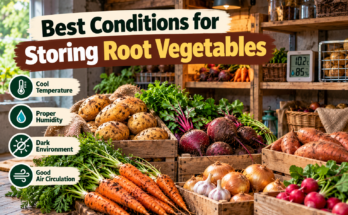
The goal is a cool, dark, and reasonably dry environment with adequate airflow.
Keep Potatoes Dry
Excess moisture can create storage problems.
I never store potatoes while they are wet from washing.
Instead, I gently remove loose soil and allow them to dry before long term storage.
If moisture collects inside the storage container, I investigate the cause and improve ventilation.
Separate Damaged Potatoes
Before storage, I inspect the entire harvest.
Potatoes with cuts, severe bruises, soft areas, or signs of rot should be separated.
I prefer using these potatoes first rather than storing them with healthy potatoes.
Healthy potatoes generally have a better chance of lasting longer.
Avoid Storing Potatoes Near Heat
A warm storage area can encourage sprouting.
I avoid keeping potatoes next to ovens, heaters, hot appliances, or areas that receive strong sunlight.
Even if the average room temperature seems comfortable, a warm location can shorten storage life.
Choosing a consistently cool location is a simple way to slow down sprouting.
Do Not Store Potatoes With Onions
I prefer storing onions and potatoes separately.
Both vegetables have different storage needs, and keeping them together is not ideal for long term storage.
Separate containers also make it easier to control the environment for each vegetable.
Check Potatoes Regularly
Even under good conditions, potatoes should be checked periodically.
I look for sprouts, soft spots, green areas, mold, and unpleasant smells.
If one potato starts to rot, I remove it immediately.
If many potatoes begin sprouting at the same time, I take it as a sign that the storage environment needs attention.
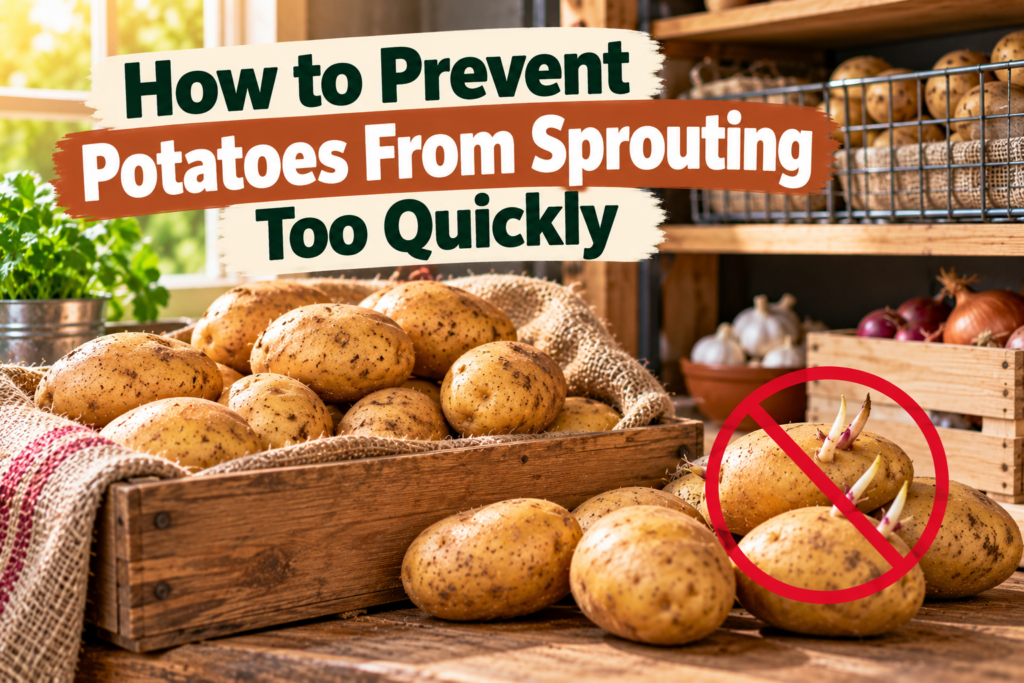
Can Sprouting Potatoes Be Used?
Small sprouts on a firm potato do not automatically mean the potato must be discarded. However, heavily sprouted, green, soft, shriveled, or bitter potatoes should be avoided.
If a potato looks questionable, I prefer not to take chances with it.
Storage is successful when potatoes remain firm, healthy looking, and suitable for cooking.
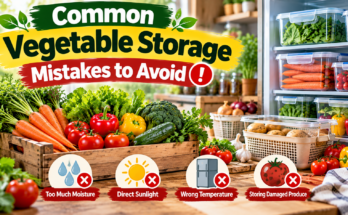
Common Potato Storage Mistakes
Storing potatoes in sunlight is one of the biggest mistakes.
Another mistake is keeping them in a warm room.
Washing potatoes before storage can also increase moisture related problems.
Using sealed plastic bags can trap moisture.
Finally, forgetting to inspect the potatoes can allow sprouting and decay to progress unnoticed.
Final Thoughts
Learning how to prevent potatoes from sprouting too quickly starts with providing the right storage environment.
I focus on keeping potatoes mature, dry, cool, dark, and well ventilated. I also remove damaged potatoes and check the harvest regularly.
Sprouting is a natural process, so it cannot always be stopped completely. However, good storage conditions can slow it down considerably and help potatoes remain useful for a longer period.