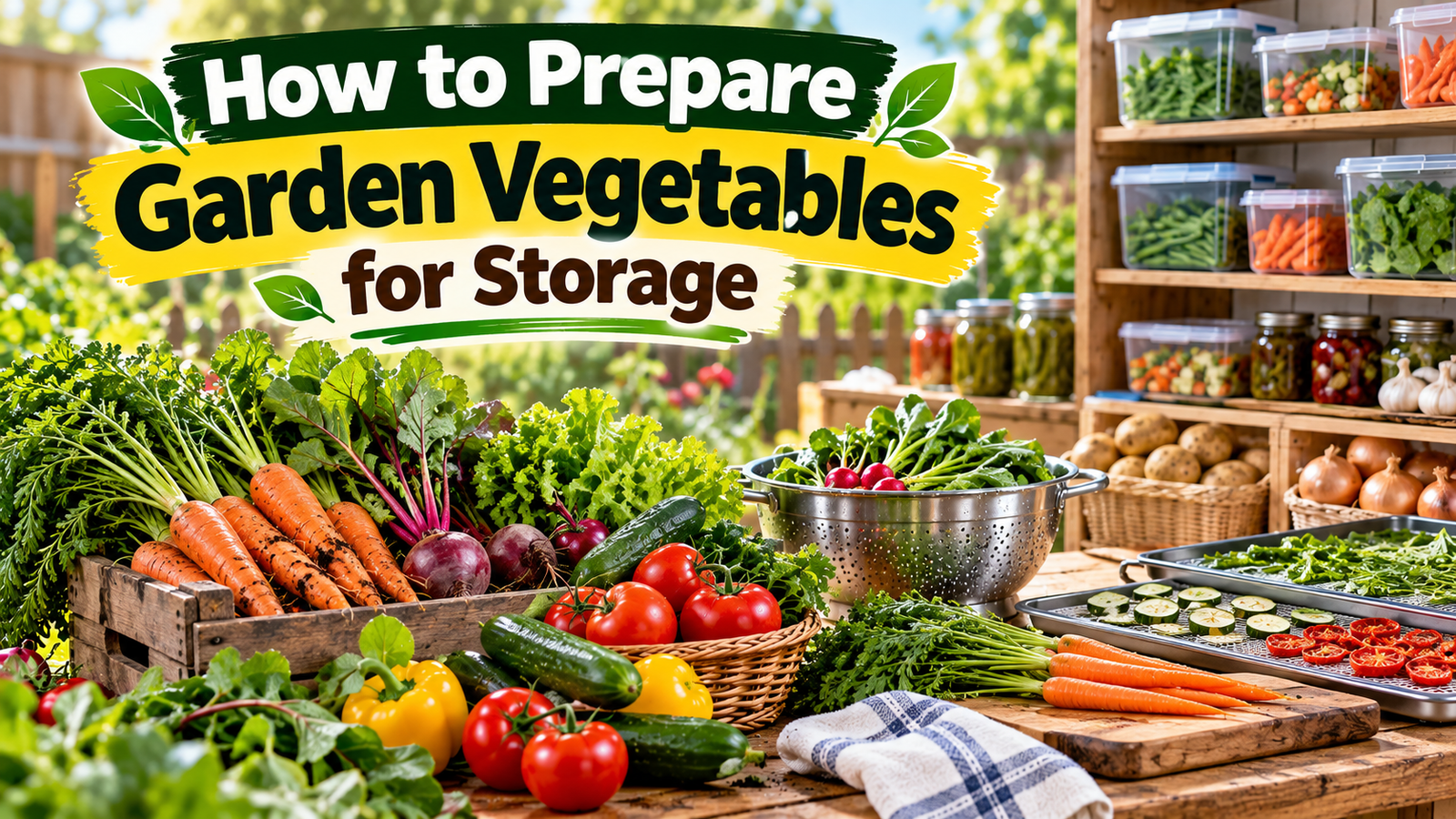
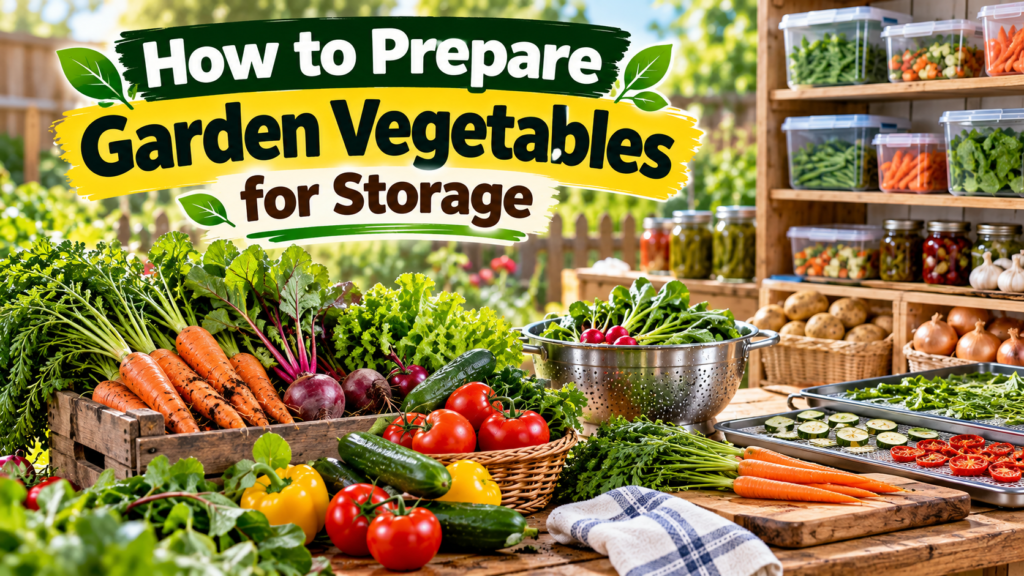
Growing vegetables at home is a rewarding experience, but I have learned that harvesting is not the end of the process. Once vegetables are picked from the garden, they need to be prepared properly if I want them to stay fresh for longer. Knowing how to prepare garden vegetables for storage can help protect their quality, reduce food waste, and make it easier to enjoy the harvest over time.
Every vegetable has different storage needs. Some vegetables need to be kept cool and humid, while others prefer a dry and well ventilated place. Some can go directly into the refrigerator, while others should be kept at room temperature.
In my opinion, good vegetable storage starts with proper preparation. If vegetables are harvested carefully, cleaned correctly, dried properly, and stored according to their needs, they can remain fresh for much longer.
Harvest Vegetables Carefully
The preparation process actually begins when vegetables are harvested. I always try to handle freshly picked vegetables carefully because bruises and cuts can reduce their storage life.
Harvest vegetables when they have reached the appropriate size and maturity. Avoid dropping them into baskets or piling them heavily on top of each other.
For vegetables that need to be cut from the plant, I prefer using clean and sharp garden scissors or a knife. This helps make a clean cut and reduces unnecessary damage.
I also like harvesting during the cooler part of the day when possible. Early morning can be a good time because vegetables have not yet experienced the strongest heat of the day.
Separate Vegetables After Harvesting
After bringing the harvest indoors, I recommend sorting the vegetables before doing anything else.
Separate vegetables according to their type and condition. Look for bruises, cuts, insect damage, soft spots, or signs of decay.
I do not recommend putting damaged vegetables together with healthy vegetables for long term storage. Damaged produce should usually be used first if it is still safe to eat.
Sorting also makes the next steps much easier because different vegetables require different cleaning and storage methods.
Remove Damaged Parts
Before storing garden vegetables, inspect them carefully.
If a vegetable has a small amount of surface damage but is otherwise healthy, it may be better to use it soon rather than placing it into long term storage.
Vegetables showing clear signs of mold or decay should be separated from healthy produce.
I find that taking a few minutes to inspect the harvest can prevent problems later. A single spoiled vegetable can create an unpleasant environment for nearby produce.
Remove Soil Gently
Freshly harvested vegetables often have soil attached to them, especially root vegetables.
I usually remove loose soil gently with my hands or a soft cloth. There is no need to aggressively scrub every vegetable.
For vegetables that are going into long term storage, leaving them dry can sometimes be better than washing them immediately.
If vegetables need to be washed, I make sure they are completely dry before storage.
Know When to Wash Vegetables
Washing vegetables before eating is important, but washing them immediately after harvest is not always necessary for storage.
Excess water can increase moisture around vegetables and create conditions where mold and decay develop more easily.
For many vegetables, I prefer removing loose dirt and washing them shortly before use.
Leafy vegetables are an exception because they often benefit from careful cleaning before refrigeration. The most important thing is to dry them properly after washing.
Dry Vegetables Thoroughly
Drying is one of the most important preparation steps for many garden vegetables.
After washing vegetables, I use a clean towel to remove excess water. Leafy greens can be spread out briefly on a clean towel so that moisture can evaporate.
I avoid placing wet vegetables directly into sealed plastic bags or containers. Trapped water can lead to condensation, mold, and faster spoilage.
At the same time, I do not want vegetables to become excessively dry if they require humidity. The goal is to remove unnecessary surface water while maintaining suitable storage conditions.
Prepare Leafy Vegetables
Leafy vegetables such as lettuce, spinach, coriander, and other greens require special attention.
First, I remove yellow, damaged, or wilted leaves. Then I wash the greens gently if necessary and dry them thoroughly.
I usually place leafy vegetables in a suitable container or storage bag with a clean paper towel. The paper towel can help absorb excess moisture.
I check the paper towel regularly and replace it if it becomes too wet.
Keeping leafy greens cool can help them remain crisp and usable for longer.
Prepare Root Vegetables
Root vegetables such as carrots, beets, radishes, and turnips also need proper preparation.
One of the first things I do is remove the green tops. The leaves can continue drawing moisture from the roots, which may cause them to lose firmness.
I gently remove excess soil and inspect the roots for damage.
Depending on the vegetable, I may store them in the refrigerator or another suitable cool environment. The important thing is to avoid unnecessary moisture while preventing them from becoming completely dry.
Prepare Potatoes for Storage
Potatoes require a different approach from leafy vegetables.
After harvesting potatoes, I allow them to dry and cure properly before putting them into long term storage. I avoid washing them unnecessarily before storage.
I remove loose soil gently and check for cuts or damaged areas.
Potatoes should generally be kept in a cool, dark, and dry location with good airflow. Light exposure can cause potatoes to develop green areas.
I also avoid storing potatoes in tightly sealed plastic bags because trapped moisture can encourage spoilage.
Prepare Onions and Garlic
Onions and garlic can be excellent storage vegetables when prepared properly.
After harvesting, they need suitable drying or curing before long term storage. I allow the outer layers to become dry and papery before placing them into storage.
I keep them in a dry location with good ventilation. Moisture is one of the main problems I try to avoid.
Good airflow helps reduce the chance of mold and allows the vegetables to remain in better condition for longer.
Prepare Tomatoes for Storage
Tomatoes are usually best handled differently from root vegetables.
After harvesting, I check each tomato for cracks, bruises, or soft areas. I keep healthy tomatoes separate from damaged ones.
For ripe tomatoes that I plan to eat soon, I usually keep them at room temperature away from direct sunlight.
If tomatoes are very ripe and need to be kept longer, refrigeration may slow further ripening. However, I prefer allowing them to return to room temperature before eating them.
Prepare Cucumbers and Similar Vegetables
Cucumbers should be handled gently because they can develop soft areas when stored under unsuitable conditions.
I remove dirt carefully and avoid unnecessary washing if I am not planning to use them immediately.
When storing cucumbers, I try to protect them from excessive moisture while keeping them cool.
The same basic principle applies to many tender vegetables. Handle them gently and avoid squeezing or stacking them under heavy produce.
Choose the Right Storage Location
Once vegetables are prepared, choosing the correct storage location becomes important.
I do not store every vegetable in the same place because different vegetables have different requirements.
A refrigerator can be useful for many fresh vegetables, particularly leafy greens and several root vegetables.
A cool, dark, dry, and well ventilated location can be better for vegetables such as potatoes, onions, and garlic.
Understanding these differences can significantly improve storage results.
Use Suitable Containers
The right container can help protect vegetables from damage and moisture problems.
For leafy greens, I prefer containers that provide protection while allowing moisture to be controlled. Paper towels can help absorb excess water.
For dry storage vegetables, breathable baskets or containers can provide better airflow.
I avoid overcrowding containers because vegetables need enough space for proper air circulation.
Label Your Stored Vegetables
If I have a large harvest, labeling storage containers can be very useful.
A simple note with the vegetable name and harvest date can help me remember which produce should be used first.
This is particularly useful when several vegetables are harvested at different times.
Using older vegetables first is an easy way to reduce food waste.
Check Vegetables Regularly
Even after vegetables are prepared and stored correctly, I recommend checking them regularly.
Look for soft areas, mold, unusual smells, discoloration, or excessive moisture.
If one vegetable begins to spoil, remove it promptly so that the problem does not affect nearby produce.
Regular inspection also gives me a chance to use vegetables before their quality declines too much.
Avoid Common Storage Mistakes
There are several simple mistakes that can shorten the storage life of garden vegetables.
One common mistake is storing vegetables while they are still wet. Another is putting every vegetable into the refrigerator without considering its storage requirements.
Overcrowding containers, ignoring damaged produce, and storing vegetables in unsuitable temperatures can also cause problems.
From my experience, the best approach is to treat each type of vegetable according to its needs instead of using one storage method for everything.
Final Thoughts
Learning how to prepare garden vegetables for storage is an important part of successful home gardening. A healthy harvest deserves proper care even after it has been picked.
I believe the most important steps are harvesting carefully, sorting the vegetables, removing damaged produce, cleaning when necessary, drying properly, and choosing the right storage conditions.
Leafy vegetables usually need cool conditions and careful moisture control, while potatoes, onions, and garlic generally prefer a dry and well ventilated environment. Root vegetables and tender vegetables each have their own requirements as well.
With a little preparation and regular checking, it is possible to keep garden vegetables fresh for longer and reduce unnecessary food waste. Good storage does not have to be complicated. Once I understand what each vegetable needs, preparing my harvest for storage becomes a simple and useful part of my gardening routine.