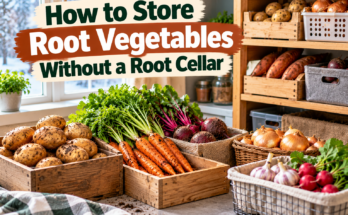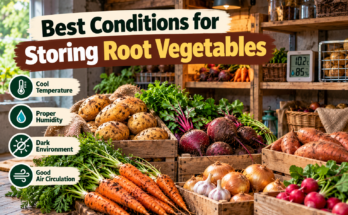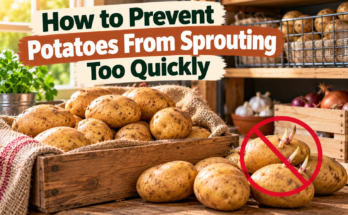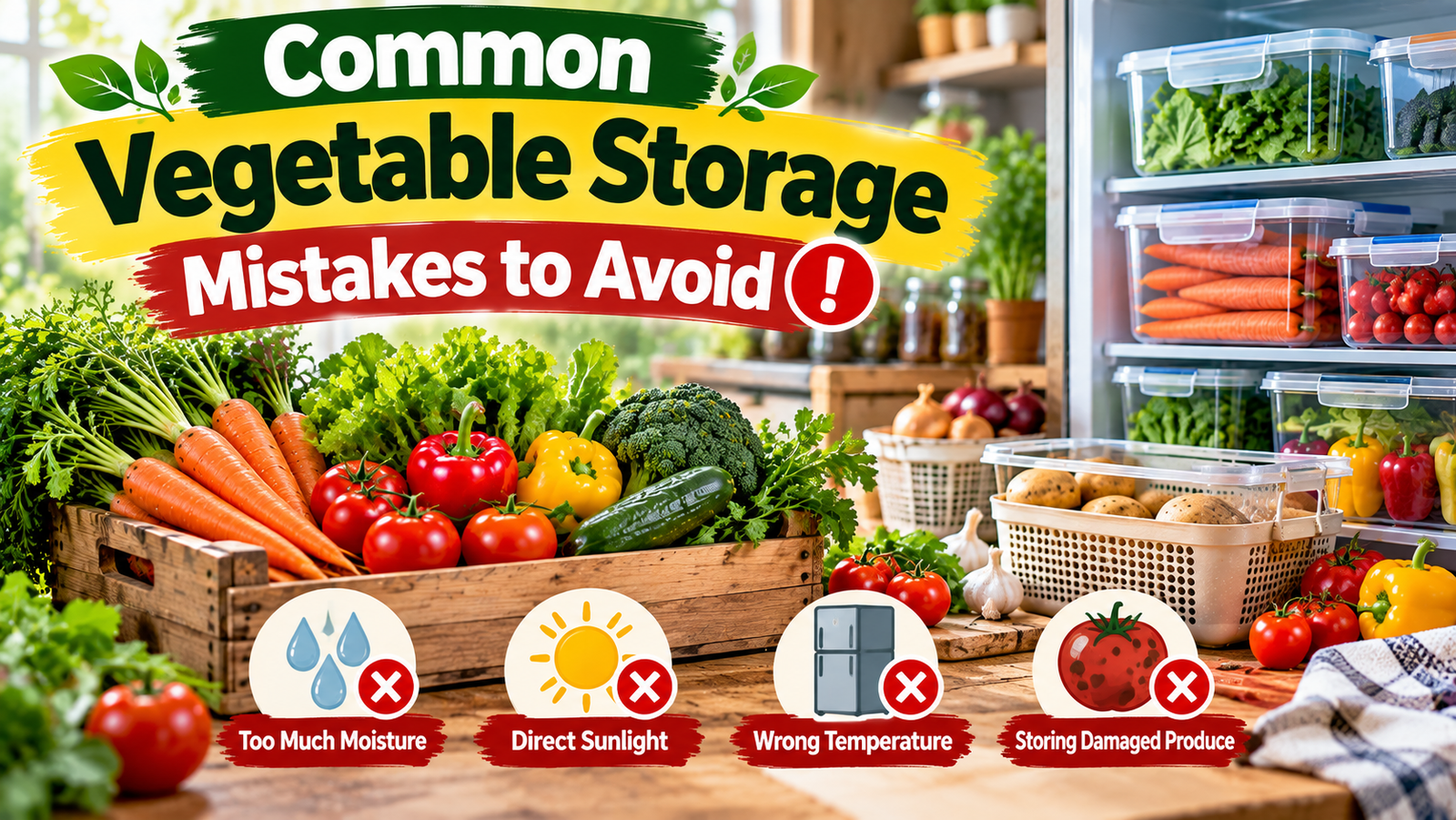
Growing root vegetables at home can be very rewarding, but storing them properly requires some attention. I have found that many storage problems are not caused by the vegetables themselves. They often happen because of simple mistakes made after harvesting.
Understanding the common mistakes when storing root vegetables can help gardeners protect their harvest and reduce food waste.
Carrots, beets, potatoes, radishes, turnips, and sweet potatoes all have slightly different requirements, but many storage problems come from the same basic errors.
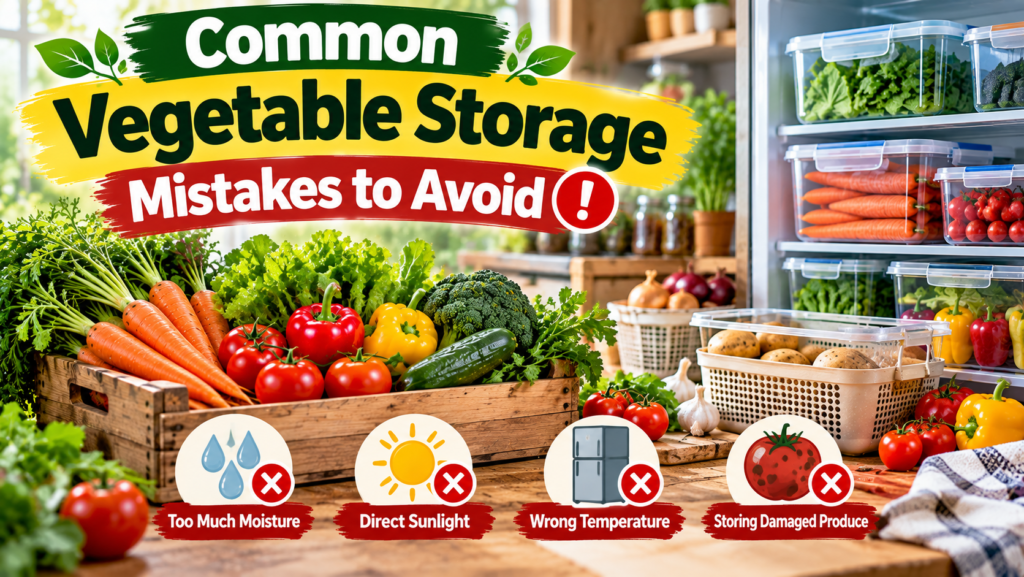
Storing Damaged Vegetables
One of the biggest mistakes is storing damaged vegetables together with healthy ones.
Cuts, bruises, cracks, and soft areas can become starting points for decay.
When I harvest root vegetables, I sort them carefully.
Healthy roots are saved for longer storage, while damaged ones are used first.
This simple habit can make a significant difference.
Washing Vegetables Before Storage
Another common mistake is washing vegetables and immediately placing them into storage.
Water left on the surface can increase the chance of mold and decay.
For long term storage, I prefer removing loose soil and allowing the vegetables to dry naturally.
I wash them properly when I am ready to prepare them for eating.
Leaving Green Tops Attached
Many root vegetables come with leafy green tops.
If the leaves remain attached, they continue drawing moisture from the root.
Carrots and beets can become softer more quickly as a result.
I remove the tops before storage while leaving a small amount of stem attached.
Storing Everything in the Refrigerator
A refrigerator is useful, but it is not the best storage method for every root vegetable.
Carrots, beets, and radishes can generally benefit from refrigerator storage.
However, potatoes have different requirements, and sweet potatoes should not normally be stored in a very cold refrigerator for long term storage.
Understanding the specific needs of each vegetable is important.
Using Sealed Plastic Bags
Completely sealed plastic bags can trap moisture around root vegetables.
This can create an environment where mold and decay develop more easily.
I prefer breathable bags, paper bags, baskets, or ventilated containers depending on the vegetable.
The goal is to control moisture without creating a wet environment.
Storing Potatoes in Light
Potatoes should be protected from light.
Leaving potatoes on an open kitchen counter or near a sunny window can cause unwanted green areas and affect their quality.
I prefer storing them in a dark cupboard, pantry, or suitable storage box.
Storing Sweet Potatoes Like Regular Potatoes
Sweet potatoes and regular potatoes are not identical when it comes to storage.
Freshly harvested sweet potatoes benefit from curing before long term storage.
They also generally prefer warmer storage conditions than regular potatoes.
Treating both crops exactly the same can lead to poor results.
Keeping Vegetables Too Warm
High temperatures can encourage sprouting and spoilage.
This is especially important for potatoes.
I avoid storing root vegetables near ovens, heaters, hot appliances, or direct sunlight.
A stable and suitable environment is much better.
Keeping Vegetables Too Wet
Excess moisture is another common problem.
Root vegetables should not be stored while covered with water or sitting in wet containers.
For vegetables that benefit from humidity, such as carrots and beets, the environment should be reasonably humid but not soaked.
Finding the right balance is important.
Ignoring Ventilation
Poor airflow can cause moisture to accumulate.
I prefer storage containers that provide some ventilation.
At the same time, I avoid extremely dry environments that can cause certain root vegetables to lose moisture too quickly.
Good airflow should support the storage conditions rather than create excessive drying.
Forgetting to Check Stored Vegetables
One of the easiest mistakes to make is storing vegetables and forgetting about them.
Even properly stored vegetables need occasional inspection.
I check for mold, soft spots, unpleasant smells, sprouting, and excessive moisture.
If I find a spoiled vegetable, I remove it immediately.
Mixing Different Vegetables Together
Different root vegetables may require different storage conditions.
Keeping everything in one container can make it difficult to provide the right environment.
I prefer separate containers whenever possible.
This also makes it easier to identify problems and use each vegetable at the right time.
Overfilling Containers
Another mistake is placing too many vegetables into one container.
Heavy piles can cause bruising and reduce airflow.
I prefer using several smaller containers when I have a large harvest.
This makes inspection and organization much easier.
Final Thoughts
Understanding the common mistakes when storing root vegetables can save a lot of time, money, and food.
The mistakes are usually simple: storing damaged vegetables, washing them before long term storage, leaving green tops attached, using unsuitable containers, exposing potatoes to light, or ignoring temperature and moisture.
I believe the best approach is to start with healthy vegetables and give each type the conditions it needs.
With careful harvesting, proper preparation, suitable storage containers, and regular inspection, home gardeners can keep root vegetables fresh for much longer and get more value from their harvest.