Growing fresh vegetables at home is a rewarding experience, but I believe proper storage is just as important as growing them. After spending time preparing the soil, planting seeds, watering plants, and protecting the garden from pests, I do not want the harvest to spoil quickly because it was poorly organized.
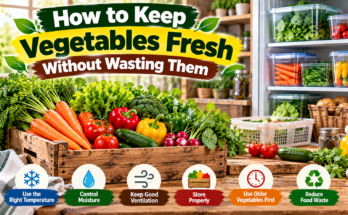
Learning how to organize fresh vegetables for better storage can help maintain freshness, reduce food waste, and make everyday cooking easier. When vegetables are arranged properly, it becomes much easier to see what I have, which vegetables should be used first, and which ones need special storage conditions.
In my experience, good vegetable organization does not require expensive equipment. It mainly requires understanding the needs of different vegetables and developing a simple storage routine.
Start by Sorting Your Vegetables
The first thing I do after bringing vegetables in from the garden is sort them.
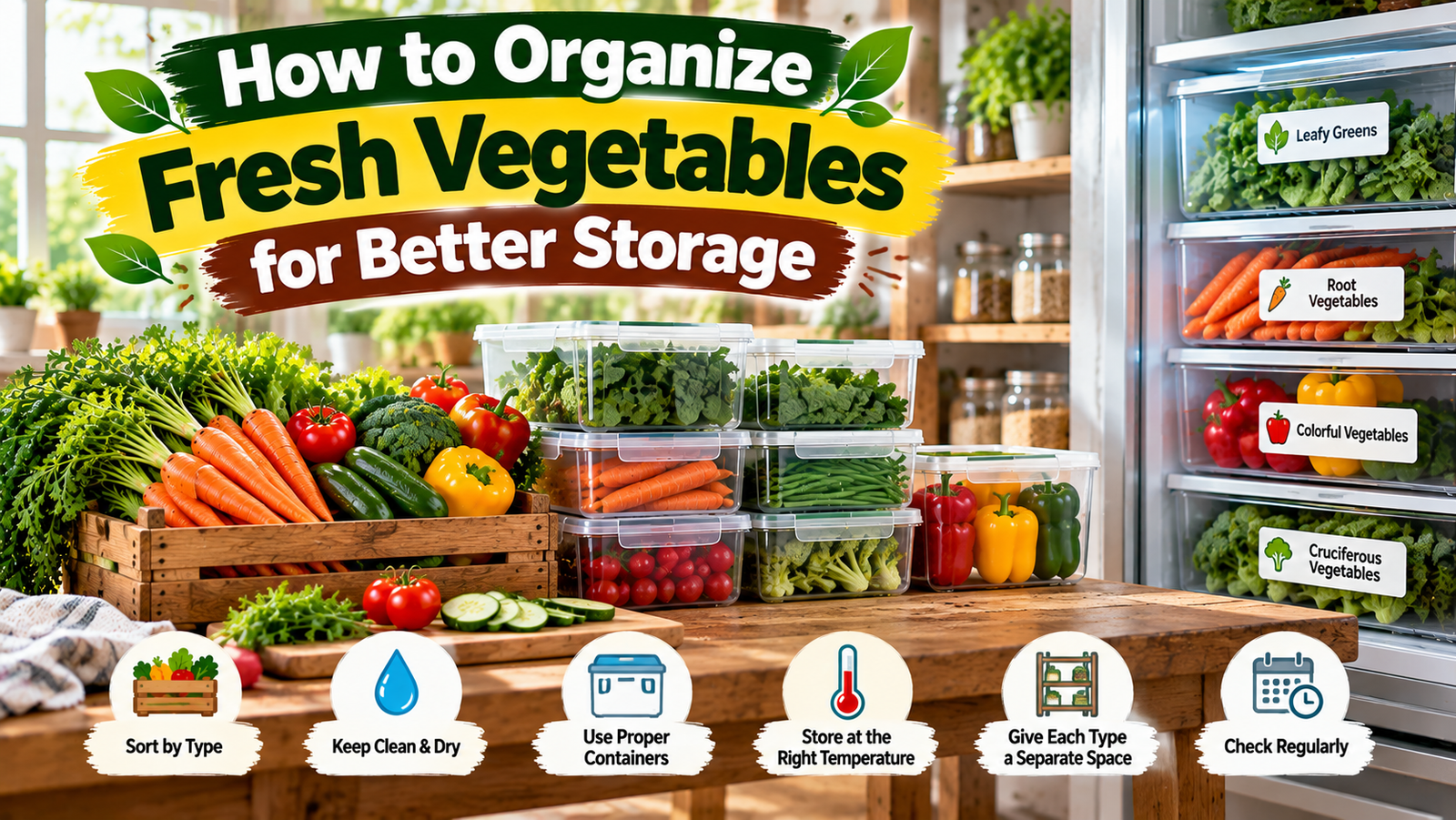
I separate vegetables according to their type, condition, and storage requirements. Leafy greens, root vegetables, tomatoes, potatoes, onions, and other produce should not automatically be treated the same way.
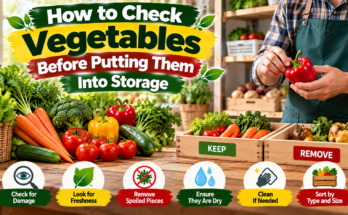
I also check each vegetable for cuts, bruises, soft areas, insect damage, or signs of spoilage.
Healthy vegetables can be prepared for storage, while slightly damaged vegetables should usually be used first if they are still safe to eat.
Sorting at the beginning makes the entire storage process easier.
Separate Damaged Vegetables
One of the most important organization habits is keeping damaged vegetables separate from healthy produce.
A vegetable with a small bruise or damaged area may spoil faster than a healthy one. If I place it at the bottom of a container and forget about it, it can become a source of problems for nearby vegetables.
I prefer putting vegetables that need to be used soon in a clearly visible area.
This makes it easier to remember them when preparing meals.
Group Vegetables by Storage Needs
Organizing vegetables according to their storage requirements is another useful approach.
For example, leafy vegetables usually need cool conditions and careful moisture control.
Root vegetables may also benefit from cool storage, depending on the type.
Potatoes, onions, and garlic generally prefer a cool, dark, dry, and well ventilated environment.
Tomatoes can often be kept at room temperature when they are ready to eat.
By grouping vegetables according to their needs, I can avoid accidentally storing one type of vegetable in unsuitable conditions.
Use the Refrigerator Efficiently
The refrigerator is one of the most useful tools for storing fresh vegetables, but organization is important.
I try not to fill the refrigerator with too many vegetables at once. Overcrowding can make it difficult for air to circulate and can also make older vegetables easy to forget.
I use suitable refrigerator drawers and containers when appropriate.
I also arrange vegetables so that the ones that need to be used first are easy to see.
A well organized refrigerator makes it easier to manage the entire harvest.
Keep Older Vegetables in Front
One simple rule I like to follow is using older vegetables before newer ones.
When I bring a new harvest into the kitchen, I avoid simply placing it in front of the older produce.
Instead, I move older vegetables toward the front where they are easy to notice.
This simple system helps prevent vegetables from being forgotten in the back of the refrigerator or storage cupboard.
It is especially useful when harvesting vegetables regularly throughout the growing season.
Use Separate Containers When Necessary
Different vegetables can benefit from different storage containers.
Leafy greens may do well in suitable containers that help manage moisture. Paper towels can sometimes be used to absorb excess moisture.
Dry storage vegetables such as onions and garlic generally benefit from breathable containers that allow airflow.
I avoid using one large airtight container for every type of vegetable because some vegetables need more ventilation than others.
The right container should protect the vegetable while providing suitable airflow and moisture control.
Avoid Overcrowding Containers
Even when I have a large harvest, I try not to fill storage containers completely.
When vegetables are packed tightly together, air movement becomes limited. Pressure can also cause bruising, especially in delicate produce.
Leaving some space between vegetables makes it easier to inspect them.
It also allows me to remove one vegetable without disturbing the entire container.
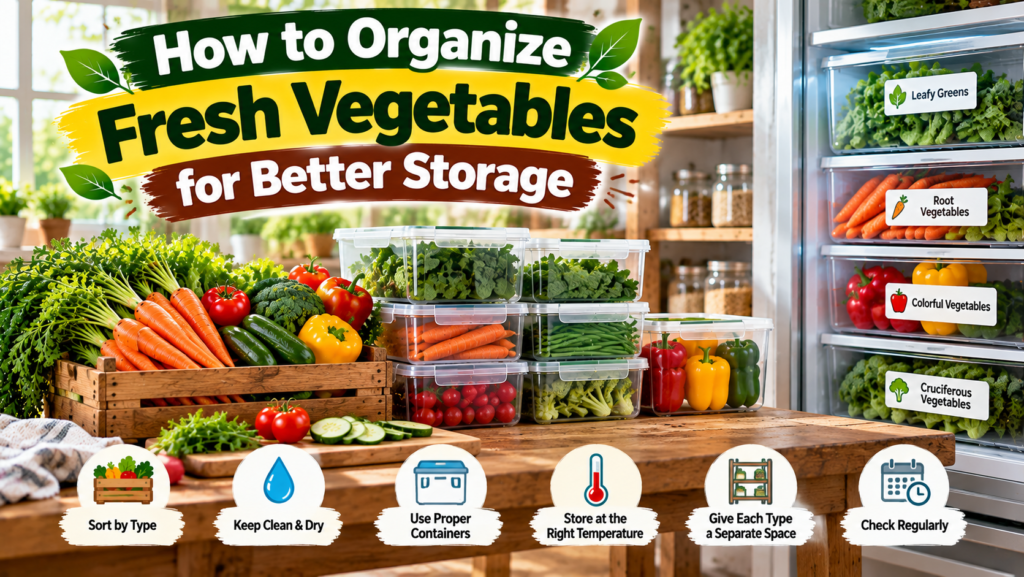
Keep Vegetables at the Right Temperature
Organization is not only about where vegetables are placed. Temperature also matters.
Some vegetables are better suited to refrigeration, while others prefer a cool room or dry storage area.
I avoid assuming that every vegetable will last longer simply because it is colder.
Very low temperatures can negatively affect certain vegetables.
I always try to consider the specific needs of each vegetable before deciding where to store it.
Control Moisture
Moisture is another important part of vegetable organization.
Too much moisture can lead to mold and decay, while too little moisture can cause vegetables to become dry and limp.
When storing leafy vegetables, I make sure excess water is removed before placing them into containers.
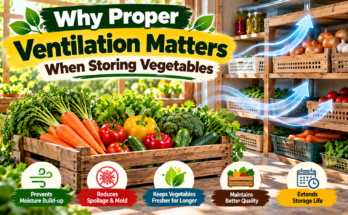
For dry storage vegetables such as onions, garlic, and potatoes, I keep the storage area dry and well ventilated.
Checking for condensation is also helpful. If a container becomes unusually wet, the storage method may need to be adjusted.
Keep Potatoes, Onions, and Garlic Organized
Potatoes, onions, and garlic are often stored outside the refrigerator, but I still like keeping them organized.
I use separate breathable baskets or suitable storage containers when possible.
Potatoes should be protected from light, while onions and garlic need a dry environment with good airflow.
Keeping these vegetables separate also makes it easier to check them for soft areas, mold, or other signs of spoilage.
Arrange Leafy Greens Carefully
Leafy vegetables need gentle handling.
I avoid placing heavy vegetables on top of lettuce, spinach, coriander, or similar greens.
After cleaning and drying them properly, I place them in a suitable container or storage bag.
Keeping leafy greens visible is also helpful because they often need to be used sooner than many other vegetables.
I prefer putting them where I can easily see them when opening the refrigerator.
Keep Tomatoes Separate From Heavy Produce
Tomatoes can bruise easily when heavy vegetables are placed on top of them.
I prefer keeping tomatoes in a single layer or placing them somewhere where they will not be crushed.
If several tomatoes are ripening at the same time, I check them regularly and use the ripest ones first.
This helps prevent soft tomatoes from being forgotten.
Label Large Quantities of Vegetables
If I have a particularly large harvest, labeling containers can make organization much easier.
A simple label can include the vegetable name and harvest date.
This is especially useful when vegetables are being stored for several weeks or when multiple batches are harvested at different times.
Labels help me quickly identify older produce and decide what should be used first.
Create a Simple Storage Routine
I believe consistency is more important than having a complicated storage system.
After each harvest, I can follow the same basic routine.
First, I sort the vegetables. Then I remove damaged produce, clean only when necessary, dry the vegetables properly, and separate them according to their storage needs.
Finally, I place older vegetables where they are easy to see.
Repeating this routine after every harvest makes vegetable storage much easier over time.
Check Your Storage Area Regularly
Good organization needs regular attention.
I recommend checking stored vegetables every few days.
Look for soft spots, mold, unpleasant smells, discoloration, or excessive moisture.
If something is beginning to spoil, remove it quickly.
This also gives me an opportunity to rearrange vegetables and move produce that needs to be used soon toward the front.
Plan Meals Around Stored Vegetables
Organization becomes even more useful when it connects with meal planning.
If I know that certain vegetables need to be used soon, I try to plan meals around them.
For example, leafy greens can be added to salads or cooked dishes, while vegetables that are becoming slightly soft can often be used in soups, sauces, or other cooked meals if they are still safe to eat.
Using vegetables according to their freshness helps reduce waste.
Avoid Buying Vegetables You Already Have
Another benefit of organizing the harvest is knowing exactly what is available.
Before shopping for vegetables, I can quickly check the refrigerator and storage area.
If I already have enough carrots, tomatoes, onions, or other produce at home, I can avoid buying more than necessary.
This simple habit can save money and prevent excess vegetables from accumulating.
Make Storage Easy to Access
I have found that vegetables are more likely to be used when they are easy to see and reach.
If fresh produce is hidden behind other containers, it can easily be forgotten.
I prefer keeping frequently used vegetables in accessible areas and placing older produce toward the front.
A simple and practical arrangement is usually better than a complicated storage system that is difficult to maintain.
Final Thoughts
Learning how to organize fresh vegetables for better storage can make a big difference in how long a homegrown harvest remains useful. From my point of view, good organization starts with sorting vegetables and understanding that every type of produce has different storage needs.
Keeping damaged vegetables separate, grouping vegetables according to storage conditions, controlling moisture, using suitable containers, and maintaining the right temperature can all help protect freshness.
I also believe that using older vegetables first is one of the easiest ways to reduce food waste. Regularly checking the refrigerator and storage area helps me notice problems before they become serious.
A well organized vegetable storage system does not need to be expensive or complicated. With a few simple habits, I can keep my harvest easier to manage, reduce unnecessary waste, and enjoy fresh garden vegetables for longer.