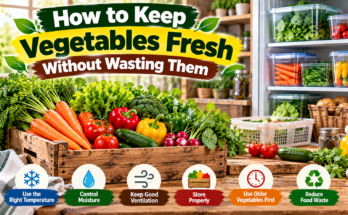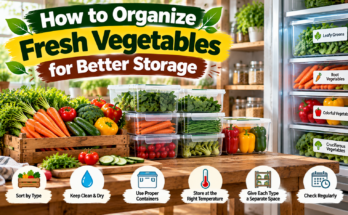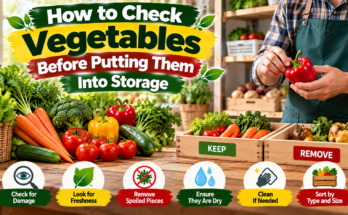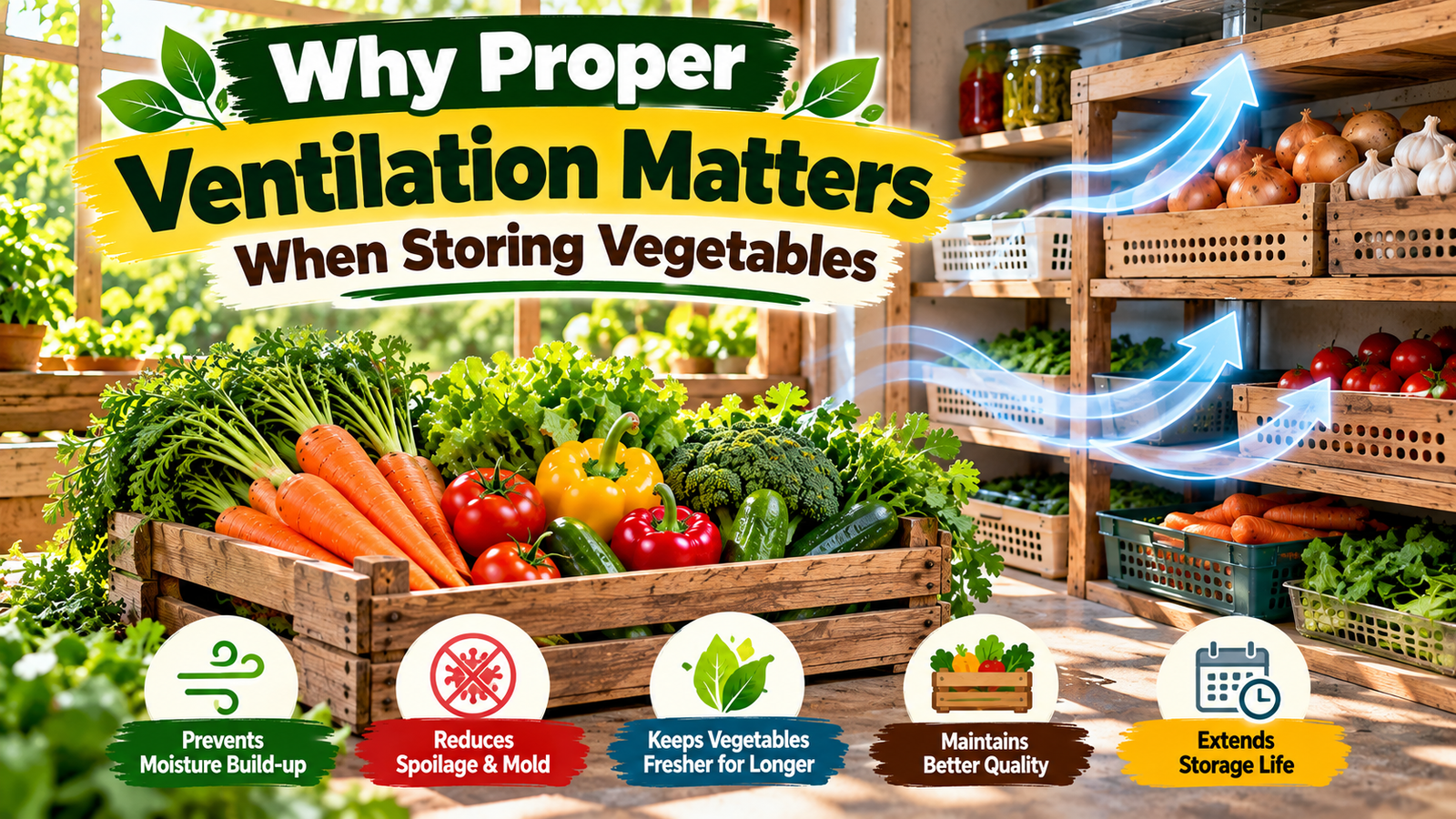
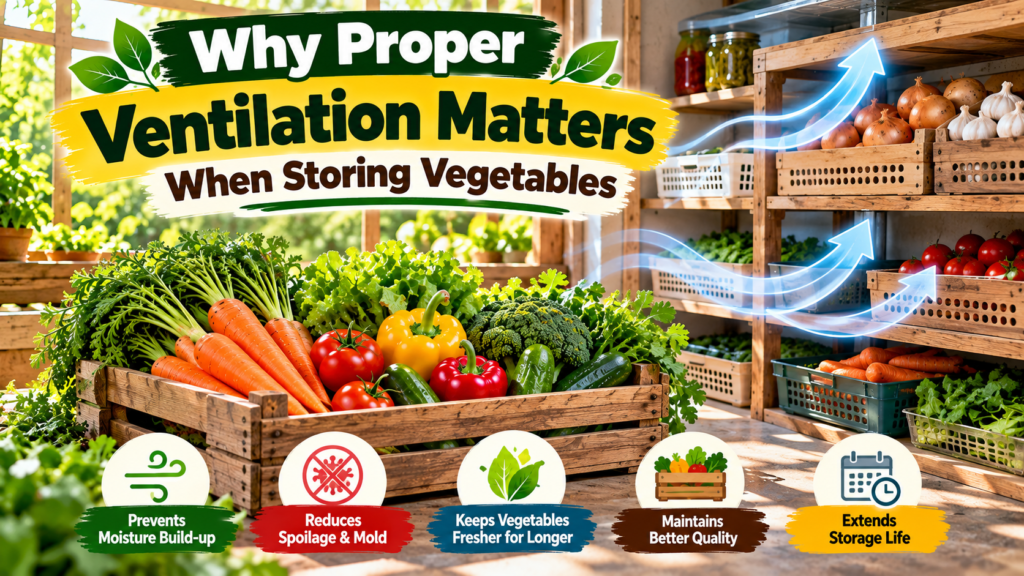
When I harvest vegetables from my garden, I always think about how I can keep them fresh for as long as possible. Many gardeners focus on temperature and humidity, but I have found that proper ventilation is also an important part of vegetable storage. Good airflow can help reduce excess moisture, limit the conditions that encourage spoilage, and protect the quality of stored vegetables.
Vegetables continue to change after they are harvested. They release moisture and naturally produce gases as part of their normal biological processes. If they are stored in a place with poor airflow, moisture can build up and create an environment where mold and decay become more likely.
In my opinion, proper ventilation does not mean keeping vegetables exposed to completely dry air. It means creating suitable airflow for the type of vegetable being stored. Different vegetables have different needs, so understanding how ventilation works can make home vegetable storage much easier.
What Is Ventilation in Vegetable Storage?
Ventilation simply means allowing air to move around stored vegetables.
Good ventilation helps prevent stale, humid air from becoming trapped around the produce. It can also help remove excess moisture from the storage environment.
The amount of airflow needed depends on the vegetable. Onions, garlic, and potatoes generally benefit from good airflow, while leafy vegetables often need a more controlled environment with higher humidity.
This is why I avoid using exactly the same storage method for every vegetable.
Why Airflow Is Important After Harvest
Vegetables are still living plant tissues after they are harvested. They continue to respire, which means they use oxygen and release carbon dioxide and moisture.
If vegetables are placed in a completely enclosed space, moisture can become trapped.
Over time, this can create condensation on the surface of vegetables or inside storage containers. Excess moisture can encourage mold and decay.
Good ventilation helps reduce this problem by allowing air to move around the produce.
Ventilation Helps Control Excess Moisture
One of the biggest reasons I pay attention to ventilation is moisture.
Moisture can come from the vegetables themselves, washing, condensation, or humid surroundings.
When this moisture has nowhere to go, vegetables may become wet and begin to deteriorate.
This is especially important for vegetables stored outside the refrigerator. A storage room that is warm and poorly ventilated can create an unfavorable environment for produce.
Good airflow can help maintain a more balanced storage environment.
Poor Ventilation Can Encourage Mold
Mold is one of the common problems associated with poor storage conditions.
When vegetables are stored in a damp and poorly ventilated area, mold can develop more easily.
This is particularly concerning when several vegetables are stored close together.
I always recommend checking vegetables regularly for signs of mold. If one vegetable becomes heavily spoiled, it should be removed promptly from the storage area.
Keeping the storage space clean and allowing appropriate airflow can also help reduce problems.
Ventilation for Potatoes
Potatoes are a good example of vegetables that benefit from proper ventilation.
After harvesting and suitable curing, potatoes should generally be kept in a cool, dark, and dry location.
I prefer using breathable baskets, crates, or containers rather than tightly sealed plastic bags.
Good airflow helps reduce moisture buildup around the potatoes.
It is also important to protect potatoes from direct sunlight because light exposure can cause unwanted changes in the vegetable.
Ventilation for Onions
Onions need good ventilation, especially when they are being stored for an extended period.
I avoid keeping onions in tightly closed containers because trapped moisture can encourage rot.
A breathable basket or mesh storage container can provide better airflow.
Keeping onions separated and allowing air to move around them can help maintain their quality.
I also check them regularly and remove any onions that are becoming soft or spoiled.
Ventilation for Garlic
Garlic also benefits from a dry environment with good airflow.
After proper curing, garlic can be stored for a long time when kept under suitable conditions.
I prefer keeping garlic in a breathable container rather than sealing it inside plastic.
Good ventilation helps prevent excessive moisture from accumulating around the bulbs.
Keeping garlic away from direct sunlight and areas of high humidity can also support better storage.
Ventilation for Root Vegetables
Root vegetables such as carrots, beets, and turnips require a slightly different approach.
Many root vegetables benefit from cool storage and appropriate moisture levels. However, they should not be stored in standing water or in conditions where excessive condensation develops.
Before storage, I remove damaged roots and unnecessary leafy tops.
The storage method should provide enough protection while controlling moisture and allowing suitable airflow.
Ventilation for Leafy Vegetables
Leafy vegetables require more careful moisture management.
Lettuce, spinach, coriander, and other greens can lose water quickly, so completely dry and open storage may cause them to wilt.
For leafy vegetables, I prefer using a suitable container or produce bag that protects them while managing excess moisture.
A paper towel can help absorb extra water inside the container.
The goal is not maximum airflow. Instead, it is balanced airflow that prevents excessive moisture while helping the greens stay fresh.
Do Not Overcrowd Storage Containers
Overcrowding is another problem I try to avoid.
When too many vegetables are packed into a small container, air cannot move properly around them.
This can create warm and damp areas where spoilage may begin.
I prefer using larger containers or separating the harvest into smaller groups when necessary.
Leaving a little space between vegetables can improve airflow and make regular inspection easier.
Avoid Completely Sealed Storage for Dry Vegetables
Some storage containers are designed to be airtight, but I do not use them automatically for fresh vegetables.
For vegetables such as onions, garlic, and potatoes, completely sealed containers can trap moisture.
A breathable container is often more suitable for these vegetables.
However, sealed or more controlled containers can be useful for other produce when they are used correctly.
The storage method should always match the vegetable.
Keep Storage Areas Clean
Ventilation works best when the storage area itself is clean.
Dust, old vegetable pieces, spoiled produce, and accumulated moisture can create additional problems.
I recommend cleaning storage shelves, baskets, and containers regularly.
If a vegetable leaks liquid or begins to decay, clean the affected area before placing fresh produce there.
A clean and well ventilated storage area provides a much better environment for a home harvest.
Avoid Heat Sources
Good ventilation does not compensate for excessive heat.
I avoid storing vegetables next to ovens, stoves, heaters, or areas that receive strong sunlight.
Heat can speed up deterioration and increase moisture loss.
A cool, shaded, and appropriately ventilated location is generally better for vegetables that do not require refrigeration.
Ventilation and Humidity Work Together
I think of ventilation and humidity as two connected parts of vegetable storage.
If humidity is too high and there is poor airflow, moisture can become trapped.
If the air is too dry and moving too quickly, some vegetables can lose moisture and become limp.
The right balance depends on the type of vegetable.
For example, onions and garlic prefer a dry environment with good airflow, while leafy greens need more moisture protection.
Understanding these differences makes it easier to choose the right storage method.
Check Vegetables Regularly
Even with good ventilation, I recommend checking stored vegetables regularly.
Look for mold, soft spots, unpleasant smells, excessive moisture, or changes in color.
If one vegetable starts to spoil, remove it quickly.
Regular inspection also helps you notice whether the storage environment needs improvement.
If condensation is appearing frequently, there may be too much moisture or not enough airflow.
Simple Ways to Improve Ventilation
Improving ventilation does not have to be expensive.
I can use breathable baskets, mesh bags, wooden crates, or containers designed to allow airflow.
Avoid stacking vegetables too tightly.
Leave some space between storage containers when possible.
Keep storage areas clean and dry.
If vegetables are stored in a cupboard, avoid filling the space completely.
These simple changes can improve air movement without requiring complicated equipment.
Final Thoughts
Proper ventilation is an important but sometimes overlooked part of vegetable storage. In my experience, keeping vegetables at the right temperature is only one part of maintaining freshness. Airflow, moisture, cleanliness, and storage space also play important roles.
Good ventilation can help prevent excess moisture from becoming trapped around vegetables. This can reduce conditions that encourage mold and decay.
Potatoes, onions, and garlic generally benefit from breathable storage with good airflow, while leafy vegetables need a more controlled balance between humidity and ventilation.
The main lesson I have learned is that more airflow is not always better. The goal is to provide the right amount of ventilation for each type of vegetable.
By choosing suitable containers, avoiding overcrowding, keeping storage areas clean, and checking vegetables regularly, I can protect more of my harvest and reduce food waste.
Proper ventilation is a simple part of vegetable storage, but it can make a significant difference in how long homegrown vegetables remain fresh and useful.