Sweet potatoes are one of the vegetables I like to grow because they can produce a useful harvest without requiring complicated care. However, after harvesting, proper storage becomes important. If sweet potatoes are stored incorrectly, they can develop soft spots, mold, or poor texture.
Learning how to store sweet potatoes at home can help protect your harvest and reduce food waste. Unlike some vegetables, sweet potatoes need different storage conditions from regular potatoes.
The key is to cure them properly first and then keep them in a suitable warm, dry, dark, and well ventilated location.
Harvest Sweet Potatoes Carefully
When harvesting sweet potatoes, I try to handle them gently.
Their skin can be easily damaged immediately after digging. Scratches, cuts, and bruises can create areas where decay may begin.
I loosen the soil around the plants before lifting the roots. Instead of throwing them into a bucket, I place them down carefully.
The better the roots are handled during harvest, the better their chances are for successful storage.
Do Not Wash Sweet Potatoes Before Storage
I avoid washing freshly harvested sweet potatoes before long term storage.
Instead, I gently remove loose soil and allow the roots to dry naturally.
Washing adds moisture, and storing wet sweet potatoes can increase the chance of mold and decay.
If there is stubborn soil attached, I usually leave it rather than damaging the skin while trying to remove it.
Cure Sweet Potatoes Before Storing
Curing is one of the most important parts of sweet potato storage.
Freshly harvested sweet potatoes should be kept in a warm, humid, and well ventilated environment during curing.
The curing period allows the skin to become stronger and helps heal minor surface damage.
Depending on the conditions, curing generally takes around one to two weeks.
The exact time can vary, so I pay attention to the condition of the roots rather than following a strict schedule.
Keep Sweet Potatoes Warm Enough
One important difference between sweet potatoes and regular potatoes is their preferred storage temperature.
Sweet potatoes should not normally be stored in a very cold refrigerator for long term storage.
Cold conditions can negatively affect their texture and quality.
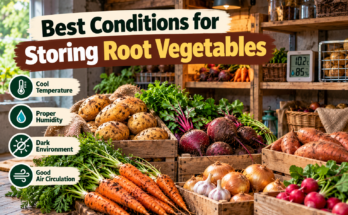
Instead, I look for a reasonably warm indoor location that is dry, dark, and well ventilated.
Choose a Dark Storage Area
Light is not ideal for stored sweet potatoes.
I prefer placing them in a dark cupboard, pantry, or suitable storage area.
Keeping them away from direct sunlight also helps prevent temperature fluctuations.
A dark environment combined with good ventilation provides a much better storage condition than an open area near a sunny window.
Use Breathable Containers
I avoid completely sealed plastic containers for sweet potatoes.
Instead, breathable baskets, cardboard boxes with ventilation, or paper bags can work well.
Good airflow helps prevent moisture from becoming trapped around the roots.
I also avoid stacking sweet potatoes too deeply because excessive pressure can cause bruising.
Separate Damaged Sweet Potatoes
Before storing the harvest, I inspect every sweet potato.
Roots with deep cuts, severe bruises, soft spots, or signs of decay should be separated.
I use damaged sweet potatoes first rather than storing them with healthy roots.
This simple step can help protect the rest of the harvest.
Do Not Store Sweet Potatoes in the Refrigerator
One of the biggest mistakes is treating sweet potatoes exactly like regular potatoes.
For long term storage, I generally avoid putting whole sweet potatoes in the refrigerator.
The cold environment can negatively affect their quality.
Instead, I choose a suitable indoor storage location with stable conditions.
Keep Sweet Potatoes Away From Moisture
Although curing requires humidity, long term storage should not involve wet conditions.
I check the storage container regularly for condensation or moisture.
If the storage area feels damp, I improve ventilation or move the sweet potatoes to a more suitable location.
Excess moisture is one of the easiest ways to create storage problems.
Check Your Harvest Regularly
I recommend checking stored sweet potatoes at least occasionally.
Look for soft areas, mold, unpleasant smells, or shriveling.
If one sweet potato starts to decay, remove it immediately.
Regular inspection is especially important when storing a large harvest because problems can spread if they are ignored.

How Long Can Sweet Potatoes Last?
The storage life of sweet potatoes depends on variety, maturity, curing, and storage conditions.
Properly cured sweet potatoes stored in suitable conditions can last for a considerable period.
Poorly handled roots may spoil much faster.
This is why I consider curing and careful harvesting just as important as the storage location itself.
Common Storage Mistakes
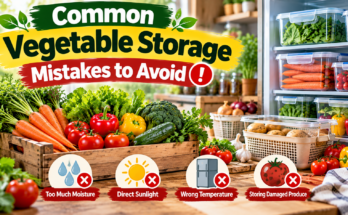
One mistake is washing sweet potatoes before storage.
Another is putting freshly harvested roots directly into a cold refrigerator.
Storing them while they are wet can also increase the chance of decay.
I also avoid keeping them in sealed plastic bags because trapped moisture can create problems.
Finally, storing damaged roots with healthy ones can shorten the overall storage life.
Final Thoughts
Learning how to store sweet potatoes at home is mostly about understanding that they need different conditions from regular potatoes.
I handle them carefully during harvest, avoid washing them, cure them properly, and then keep them in a warm, dark, dry, and well ventilated location.
With good preparation, homegrown sweet potatoes can remain useful for a long time. The most important thing is to avoid unnecessary damage and give the roots enough time to cure before putting them into long term storage.